 How-to
Should You Prepare Your Home for a Valuation?
Quick Summary
Yes, preparing your home for a professional home valuation can add real value, mainly through decluttering, deep cleaning, minor repairs and documenting upgrades. Appraisers judge condition, size and recent comparable sales, so visible neglect and unverified improvements are what usually cost you.
- Clear counters, remove extra furniture and deep-clean key rooms so the appraiser can judge size and condition.
- Fix leaks, water stains, cracked glass and non-working detectors, since visible maintenance issues hurt value most.
- Gather permits, contractor invoices and warranties for each major project, organized by project rather than by date.
- Keep a one-page improvements list and disclose any unpermitted work plainly rather than presenting it as permitted.
- Clear snow and secure access to the attic, crawlspace and outbuildings before the visit.
Table of Contents
- How a Professional Valuation Works in Incline Village
- Preparing Your Home for a Professional Valuation Checklist
- What Hurts a Home Appraisal and How to Fix It
- Documenting Upgrades and Recent Renovations
- Valuation Day: Logistics, Owner Communication, and Mistakes to Avoid
- Preparing for a Home Appraisal for Refinancing and Your Next Step with Coombes Group
- Frequently Asked Questions
How a Professional Valuation Works in Incline Village
Preparing your home for a professional home valuation can add real value, but only if you know what the appraiser actually looks at. Fannie Mae Selling Guide on appraisal requirements explains the standards most lenders follow, and they center on the property's condition, size, and how it compares to recent sales.
A valuation in Incline Village follows a predictable path. The appraiser inspects the interior and exterior, measures the living area, notes the property's features, and then compares your home to recent sales nearby. Local context matters here. Coverage limits under TRPA rules can also shape how an appraiser views the property, and learn how TRPA coverage restrictions affect Incline Village home values. A lakefront or view property sits in a different market than a home several blocks inland, so the comparable sales have to be chosen carefully.
Valuation vs. Lender Appraisal: What Is the Difference?
A professional valuation is an opinion of market value, often ordered by a homeowner for planning, a sale, or an estate. A lender appraisal is ordered by a mortgage company to support a loan. The two can use similar methods, but the lender version must meet specific underwriting rules. Consumer Financial Protection Bureau guide to home appraisals
Know which one you need before you schedule anything. A lender appraisal is usually required for refinancing, and you generally cannot choose the appraiser yourself.
Preparing Your Home for a Professional Valuation Checklist
Good preparation is about presentation, not spending. Most owners can do the work below in a weekend.
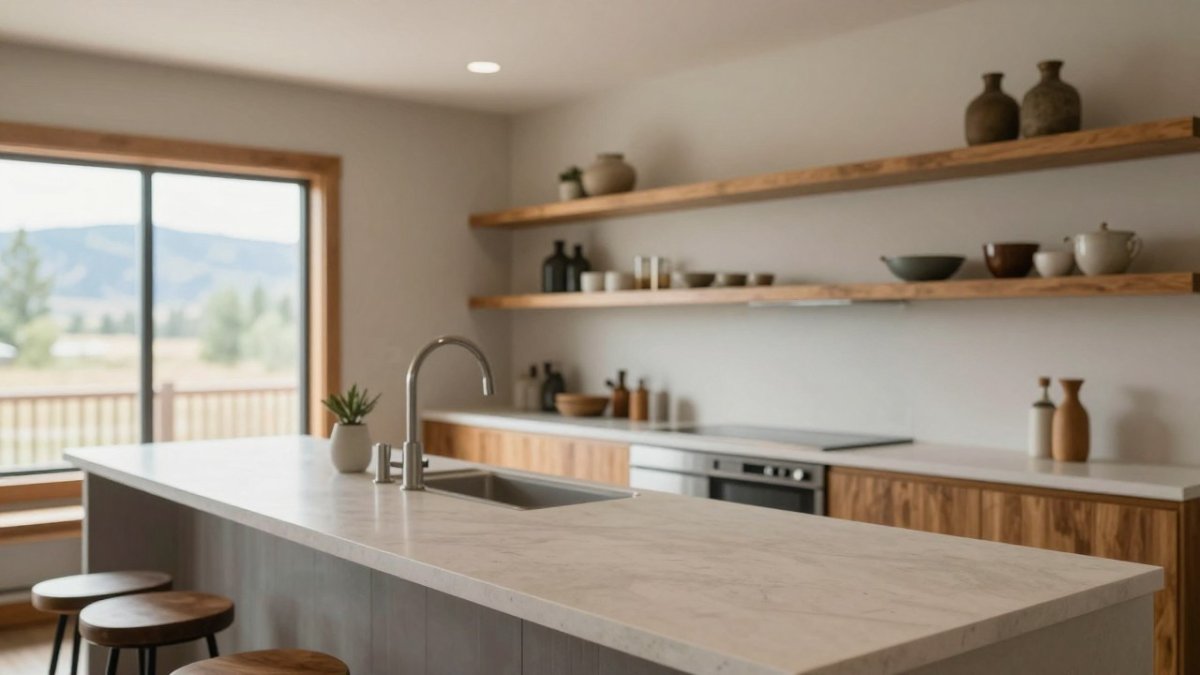
Declutter and Deep-Clean Key Rooms
Start with the rooms an appraiser sees first: kitchen, bathrooms, living areas, and bedrooms. Clear counters, remove excess furniture, and store personal items. A cluttered room makes it harder to judge the space's size and condition.
- Clear kitchen and bathroom counters completely
- Remove extra furniture so room sizes are easy to see
- Store family photos, collections, and personal items
- Deep-clean floors, windows, appliances, and baseboards
- Fix or remove stains, odors, and pet damage
Improve Curb Appeal and Lighting
The exterior is the appraiser's first impression. Trim overgrown shrubs, clear walkways, mow the lawn, and remove debris from the roof and gutters. Replace burned-out bulbs and turn on lights in dark rooms before the visit so the interior reads as bright and well kept.
Watch out: A fresh coat of paint on one room will not offset a leaking roof or damaged siding. Address structural issues first.
The article's checklist breaks preparation into a few areas that most owners can handle in a weekend.
| Area | Focus | Time needed |
|---|---|---|
| Key rooms | Clear counters, remove extra furniture | A weekend |
| Deep cleaning | Floors, windows, appliances, baseboards | A weekend |
| Curb appeal | Trim shrubs, clear walkways, mow lawn | A weekend |
| Lighting | Replace burned-out bulbs, turn on lights | Before the visit |
What Hurts a Home Appraisal and How to Fix It
Most value losses come from visible condition problems, not from missing luxury features. Walk through your home with a critical eye and note anything that looks neglected.
Minor Repairs and Visible Maintenance Issues
Focus on items an appraiser will notice: cracked tiles, sticking doors, loose handrails, dripping faucets, and peeling paint. Small repairs are usually inexpensive and show that the home has been cared for.
- Fix leaks and water stains immediately
- Repair cracked glass, torn screens, and broken fixtures
- Replace worn carpet or flooring in high-traffic areas
- Make sure safety features like smoke and carbon monoxide detectors work
Lake Tahoe Factors: Snow, Wildfire, and Access
Tahoe homes face conditions most markets do not. Review the TRPA regulations that govern what can be changed or improved before a valuation. Snow load, roof and gutter condition, defensible space against wildfire, and the road or driveway access to the property all affect how an appraiser views the home. USDA Forest Service guidance on wildfire defensible space
Clear vegetation near the house, keep gutters free of debris, and make sure the driveway and access route are clean and safe. Document any work you have done on these items.
Documenting Upgrades and Recent Renovations
Appraisers can only credit improvements they can verify, and in a market like Incline Village the verification often depends on documents the owner controls. A remodeled kitchen, a new roof, a replaced furnace, or a permitted addition all need a paper trail. Without one, the appraiser may treat the work as routine maintenance or, worse, as unpermitted construction.
What to Gather for Each Project
For every major project, assemble a small packet. The goal is to make it easy for the appraiser to confirm what was done, when, and by whom.
- Permit number and final inspection sign-off, where a permit was required
- Contractor invoices showing the scope of work and completion date
- Manufacturer warranties for roofs, windows, HVAC systems, and appliances
- Before-and-after photos, especially for kitchens, bathrooms, and structural work
- Engineering or architectural drawings for additions, decks, and retaining walls
Organize the packet by project, not by date. A single folder with labeled tabs is easier for an appraiser to review than a shoebox of receipts.
Incline Village-Specific Features to Document
Local property features often carry value that is not obvious from a standard inspection. A checklist helps ensure the appraiser has accurate information.
- Views: note the type of view (lake, mountain, forest) and whether it is protected by a recorded easement or HOA rule
- Lake access: document any deeded beach or pier rights, buoy permits, or shared access agreements
- Permitted improvements: keep copies of any required permits and documentation for drainage, paving, and vegetation
- Square footage: include the assessor's record and any measured drawings, especially where additions or finished basements may not appear in public records
- Outbuildings: document detached garages, guest units, workshops, and storage structures with photos and permits
- Defensible space and wildfire mitigation: keep records of vegetation clearing, roof and gutter maintenance, and any defensible space inspections
A common pattern is for owners to assume the appraiser already has this information from public records. In practice, records can be incomplete or outdated, and a short property information sheet can prevent errors that affect the final opinion of value.
Prior Appraisals and Comparable Sales
If you have a previous appraisal, keep it in the packet. It shows how the value has changed and what the appraiser noted before. You can also include a short list of recent nearby sales that you believe are relevant, but present it as information rather than as an argument. Appraisers will make their own comparable selection, and a respectful note about a recent sale the appraiser may not have seen is more effective than a stack of listings.
Watch out: Do not include unpermitted work in the packet as if it were permitted. Disclose it plainly and let the appraiser evaluate it. Misrepresenting the status of a project can create problems in underwriting, insurance, and future resale.
Valuation Day: Logistics, Owner Communication, and Mistakes to Avoid
Valuation day is where preparation either pays off or falls apart. The appraiser needs unobstructed access to the whole property, a clear picture of what has been improved, and enough quiet time to measure and photograph rooms. Plan the visit the way you would plan a showing, but with more emphasis on access and documentation than on staging.
Access, Pets, and Utilities
Confirm the appointment window in writing and make sure someone can open the door, the attic hatch, the crawlspace, and any detached garage or outbuilding. In Incline Village, that often means clearing snow from the driveway and walkways, shoveling a path to the gas meter and any exterior mechanical equipment, and making sure exterior lights work if the visit is scheduled late in the day.
- Secure pets in a crate or with a neighbor for the duration of the visit
- Turn on lights in every room, including closets and hallways
- Leave interior doors open so room flow is obvious
- Provide gate codes, lockbox combinations, or HOA access instructions in advance
- Keep the thermostat at a normal setting so the home does not read as either overheated or unheated
Being Present Without Hovering
Most appraisers prefer that the owner be available for questions but not follow them room to room. A common pattern is to greet the appraiser, hand over a one-page improvements summary, answer questions about recent work, and then step aside. If you have documentation for a remodel, a new roof, or a replaced furnace, leave it on the kitchen counter with a short cover note.
Watch out: Do not point out every feature or argue about value during the inspection. Appraisers are trained to form an independent opinion, and pressure tends to make the visit more difficult rather than more favorable.
Mistakes That Undermine Preparation
The most common mistakes are not cosmetic. They are informational.
- Hiding a known defect, such as a leak, a cracked foundation, or a non-functioning system, rather than disclosing it
- Presenting unpermitted work as permitted, which can create problems later in underwriting or resale
- Leaving the appraiser to guess about square footage, lot lines, or outbuildings
- Scheduling the visit before repairs are complete and expecting credit for work in progress
- Forgetting to mention recent upgrades because the paperwork was not organized
A concise improvements list is one of the most useful things you can hand over. Include the item, the year completed, the contractor, the permit number if one exists, and the approximate cost. Keep it to one page. The appraiser may not use every line, but the list helps ensure that verifiable work is not overlooked.
Preparing for a Home Appraisal for Refinancing and Your Next Step with Coombes Group
If you are preparing for a refinance or planning a sale, the work above will help you walk into the appraisal informed. A current, accurate valuation gives you a clear starting point for your next decision.
Start by reviewing your home valuation request, and contact Coombes Group to schedule a conversation about your property and local market. We can help you understand what to expect and what to prepare.
Frequently Asked Questions
Should I clean my house before a professional valuation?
Yes. A clean, well-lit home makes it easier for the appraiser to see the property's condition and features. Focus on kitchens, bathrooms, and main living areas, and clear out clutter so rooms look spacious. You do not need a full staging job, but a deep clean and removal of excess personal items help the valuator focus on the home itself rather than on mess. Clean the exterior too, including walkways, windows, and landscaping.
What hurts a home appraisal the most?
Visible deferred maintenance, such as peeling paint, water stains, cracked surfaces, broken fixtures, and worn flooring, tends to hurt a valuation most. Safety issues, non-working systems, and poor access to the property also matter. Dark rooms, blocked exits, and unpermitted work can raise questions. Addressing these items before the valuation, especially the low-cost repairs, removes the obstacles that could lower the value conclusion.
Does an appraiser consider recent renovations?
Yes. Recent upgrades such as new kitchens, updated bathrooms, roofing, or HVAC systems can support a higher value when they are documented and comparable to nearby sales. Keep receipts, permits, and a list of materials and completion dates, and point these improvements out during the valuation. Documentation helps the valuator confirm the work and understand how it compares with other homes in the area.
How do I prepare for a home appraisal for refinancing?
For a refinance, the lender orders an appraisal that focuses on the home's value to support the loan. Clean the home, complete minor repairs, make sure all rooms are accessible, and gather a list of recent upgrades with receipts. Confirm that the property has working utilities and safe access. Ask your lender what the appraiser will need, and keep your loan officer informed about any issues you have already fixed.