 ultimate-guide
TRPA Regulations for Home Buyers: A 2026 Guide
Table of Contents
- What TRPA Regulations Mean for Home Buyers
- Understanding TRPA Property Compliance Records
- TRPA Land Coverage: What Buyers Need to Know
- TRPA Permits for Home Renovations and Improvements
- The TRPA Permit Process and Timelines
- Questions to Ask Before Making an Offer
- Protecting Your Investment: Next Steps
- Frequently Asked Questions
Last Updated: October 11, 2026
What TRPA Regulations Mean for Home Buyers
Understanding TRPA regulations is essential if you're buying property in the Incline Village area or anywhere in the Lake Tahoe region. The Tahoe Regional Planning Agency (TRPA) enforces strict environmental and land-use rules that directly affect what you can and cannot do with a property you purchase.
The core issue is this: TRPA regulations home buyers face are fundamentally different from standard zoning codes in most of the United States. They don't just limit what you build, they affect your property's value, your ability to renovate, and your long-term plans for the land. The buyers who succeed are the ones who understand these rules before they make an offer.
TRPA regulations home buyers must navigate include restrictions on land coverage, impervious surface limitations, and mandatory permitting for almost any improvement. The agency operates under a "no net increase in pollutant loads" standard, which means your property's environmental impact is constantly measured and monitored. If you want to add a deck, renovate a kitchen, or even repave a driveway, you're likely triggering a permit requirement.
The real cost of not understanding these rules upfront is steep. Buyers sometimes purchase properties only to discover they cannot renovate as planned, or that improvements will cost far more than anticipated because of TRPA compliance requirements. The time to learn these rules is before you sign the purchase agreement, not after.
Understanding TRPA Property Compliance Records
Every property in the TRPA jurisdiction has a compliance history. TRPA property compliance records document what improvements have been made, what permits were obtained, and whether those improvements violated any environmental thresholds. These records are public, and they tell the story of the property's past, including whether previous owners cut corners or operated outside the regulations.
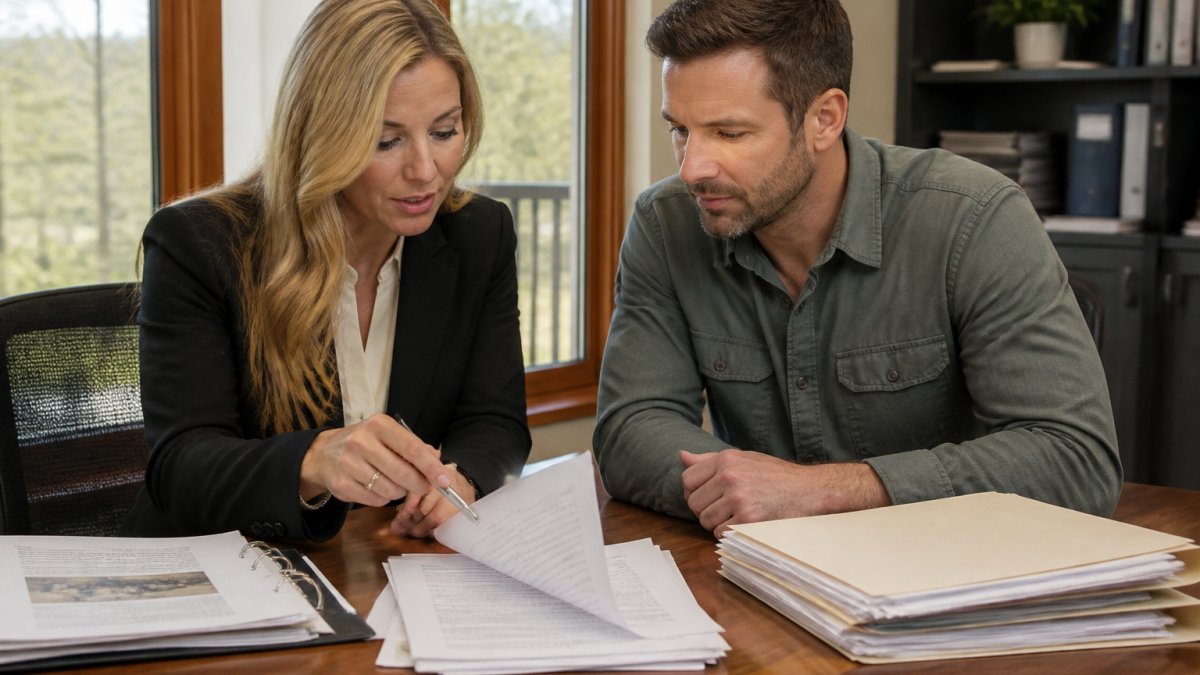
Before you make an offer on any property in Incline Village or the Tahoe region, your agent should pull the TRPA property compliance records for that address. This step takes a few days but is absolutely worth the wait.
A common mistake is assuming that if a previous owner completed a renovation without trouble, it was done legally. That's not always true. TRPA property compliance records sometimes reveal unpermitted work, decks built without approval, additions that exceeded coverage limits, or landscaping that violated restoration requirements.
What most guides miss is that TRPA property compliance records also contain information about the property's coverage baseline. This baseline is crucial because it determines how much additional impervious surface (roof, driveway, deck) you're allowed to add. If previous owners already maxed out the coverage allowance, your renovation options are severely limited.
TRPA Land Coverage: What Buyers Need to Know
TRPA land coverage rules are the single biggest constraint most buyers face. The agency limits how much of your property can be covered by structures, pavement, and other impervious surfaces. This limit varies depending on the property's location, elevation, and current baseline coverage. For many properties in Incline Village and the surrounding area, the allowable coverage is surprisingly low.
Here's how it works: TRPA assigns each parcel a maximum coverage percentage based on its zone designation and environmental sensitivity. A typical residential lot might be allowed 30 to 35 percent coverage. That sounds generous until you realize it includes your house, garage, driveway, deck, and any other hard surfaces.
The frustration sets in when buyers realize they cannot execute their vision for the property. You might want to add a guest house, but TRPA land coverage limits prevent it. You might want to expand your primary residence, but you've already used most of your allowable coverage.
One insider tip: some properties have "coverage credits" or unused allowance from previous conservation easements or environmental mitigation. These credits are rare and valuable. If a property has them, it gives you flexibility that most comparable properties lack. Ask your agent to specifically check for coverage credits in the TRPA property compliance records.
TRPA Permits for Home Renovations and Improvements
Almost any improvement to a property in the TRPA jurisdiction requires a permit. TRPA permits for home renovations are not optional, they're mandatory, and the process is more involved than standard building permits in other parts of the United States.
If you want to renovate your kitchen, you likely need a TRPA permit because the work may trigger environmental review requirements. If you want to add a bathroom, same story. Even smaller projects like replacing windows or upgrading HVAC systems can require permits if they affect the property's impervious surface or energy efficiency profile. The threshold for triggering a permit is lower than most homeowners expect.
The key is understanding what triggers a permit requirement. TRPA permits for home renovations are required when the project involves:
- Any increase in impervious surface (roofing, decking, paving)
- Any structural expansion of the building footprint
- Any work that disturbs more than 2,500 square feet of land
- Any project that increases the property's environmental impact
- Any modification to drainage, grading, or stormwater management
What separates a smooth renovation from a nightmare is knowing these rules before you buy. If you purchase a property without understanding the permit requirements, you might discover mid-project that your renovation plan requires environmental review, which adds months and thousands of dollars to your timeline and budget.
The TRPA Permit Process and Timelines
The TRPA permit process and timelines are longer than standard building permits. You need to plan for delays and understand what to expect at each stage.
The basic TRPA permit process follows this sequence: initial application submission, environmental review (if required), public comment period, agency decision, and final approval. For straightforward projects with minimal environmental impact, the process typically takes 60 to 90 days. For projects that trigger environmental review, timelines stretch to 120 to 180 days or longer.
Here's what happens at each stage. You submit your application to TRPA with site plans, engineering drawings, and environmental documentation. The agency reviews the application for completeness. If information is missing, they request additional materials, which pauses the clock. Once the application is deemed complete, TRPA conducts environmental review if needed.
The TRPA permit process and timelines are predictable if you know what to expect. Most delays occur because applicants underestimate the documentation required or don't anticipate the public comment period. Working with an experienced local agent who understands TRPA requirements helps you avoid these delays.
One critical detail: the TRPA permit process and timelines assume you're working with qualified professionals. If you hire a contractor unfamiliar with TRPA requirements, delays multiply. The contractor may submit incomplete applications, miss required environmental documentation, or fail to address public comments properly.
Questions to Ask Before Making an Offer
Before you commit to purchasing a property in Incline Village or anywhere in the TRPA jurisdiction, ask these specific questions.
First, pull the TRPA property compliance records and ask: Are there any outstanding violations on this property? Has all previous work been permitted? What is the current coverage baseline, and how much coverage allowance remains?
Second, ask about the property's environmental sensitivity. Is it in a sensitive watershed? Does it sit on slopes steeper than 30 percent? Is it near the shoreline? These factors affect permit requirements and timelines.
Third, ask your agent to explain the specific zoning designation and what it allows. Not all residential zones in the TRPA jurisdiction are equal. Some allow more coverage, more density, or more flexibility than others. Understanding your property's specific zone prevents surprises later.
Fourth, ask whether the property has any conservation easements or deed restrictions. These legal agreements can limit what you're allowed to do with the land, even if TRPA regulations would technically allow it.
Finally, ask your agent about the local building community. Who are the contractors and builders experienced with TRPA requirements? Can your agent connect you with professionals who understand the permitting process? Local expertise is invaluable when navigating TRPA regulations for home buyers.
Protecting Your Investment: Next Steps
Understanding TRPA regulations home buyers face is the foundation of a successful purchase in Incline Village and the Tahoe region. The time to educate yourself is now, before you make an offer.
Start by having a serious conversation with a local real estate professional who knows TRPA requirements deeply. Not all agents understand these regulations equally well. Look for someone with a track record of successful transactions in the TRPA jurisdiction and references from buyers who navigated complex permitting situations.
Next, budget time and money for a thorough property review. Pull the TRPA property compliance records. Have a surveyor evaluate the property's coverage baseline. Consult with a local contractor or builder about your renovation plans and what permits they would require. These steps cost money upfront, but they prevent far more expensive problems later.
Finally, be realistic about your timeline and budget for any improvements you're planning. If you want to renovate the property, add the TRPA permit timeline to your project schedule. If you want to build additional structures, confirm that coverage allowance exists before you purchase.
Navigating TRPA regulations for home buyers requires local expertise and careful planning. Contact us to discuss your purchase plans and connect with a local expert who can answer your specific questions about TRPA requirements and help you make a confident decision.
Frequently Asked Questions
What is the TRPA, and how does it affect home buyers in Incline Village?
The Tahoe Regional Planning Agency (TRPA) is a bi-state agency that regulates land use and environmental protection around Lake Tahoe. TRPA regulations control what you can build, modify, or develop on your property to preserve water quality and the environment. As a home buyer, you must understand these rules because violations can affect your property value, your ability to renovate, and your legal liability. Non-compliance can result in fines, required remediation, or restrictions on future improvements.
How can I check whether a property has TRPA compliance issues?
Request TRPA property compliance records from the seller's agent or directly from TRPA before making an offer. These records show whether the property has any violations, pending permits, or unpermitted work. You can also hire a local real estate attorney or use a title company to conduct a TRPA records search. This step is critical because inheriting unresolved violations can cost thousands to remediate and may prevent you from making desired improvements.
Do I need TRPA approval to remodel a home in Incline Village?
Most renovations require TRPA permits or approval, depending on scope and location. Interior-only work typically requires minimal review, but exterior changes, additions, decks, driveways, landscaping, or roof work, almost always need TRPA permits. Even minor modifications can trigger environmental review if they affect land coverage or water runoff. Always check with TRPA or a local contractor before starting any project to avoid costly violations.
What is TRPA land coverage, and why should I check it?
Land coverage refers to the percentage of your property covered by buildings, pavement, decks, and other structures. TRPA sets strict land coverage limits to control stormwater runoff and protect water quality. If a property is already at or near its coverage limit, you cannot add a deck, expand the house, or pave additional areas without removing existing coverage elsewhere. Checking land coverage before purchase prevents discovering you cannot make planned improvements after closing.
What should I ask the seller about TRPA permits and property history?
Ask for written documentation of all past renovations, improvements, and TRPA permits issued for the property. Request proof that work was permitted and completed according to approval. Ask specifically about additions, decks, driveways, landscaping changes, and roof work. If the seller cannot provide permits for recent work, assume it may be unpermitted and budget for potential remediation costs or restrictions on future improvements. This protects you from inheriting code violations.
How long does the TRPA permit process typically take?
Simple projects (minor repairs or interior work) may take 2-4 weeks for administrative review. Standard projects (decks, small additions) typically take 4-8 weeks, including environmental assessment and public notice periods. Complex projects (major renovations or development) can take 3-6 months or longer. Plan ahead if you're counting on improvements before moving in. Delays are common during peak seasons, so factor this into your timeline when budgeting and planning renovations.
Can a buyer inherit unpermitted work or unresolved TRPA violations?
Yes. When you purchase a property, you inherit all existing conditions, including unpermitted work and unresolved violations. TRPA violations do not disappear with a change in ownership. You could be required to remove unpermitted structures, pay fines, or complete environmental remediation. Title insurance typically does not cover TRPA violations. This is why inspecting TRPA compliance records before closing is essential, discovering violations after purchase can be extremely expensive.