 ultimate-guide
Benefits of Buying a Vacation Home in Incline Village
Last Updated: October 23, 2026
Quick Summary
The benefits of buying a vacation home in Incline Village include generating substantial rental income during peak seasons, building long-term wealth through property appreciation supported by limited inventory and consistent demand, and enjoying personal use flexibility with year-round mountain recreation access. Tax deductions on mortgage interest and property taxes, combined with depreciation benefits, further enhance the financial case when structured properly.
- Vacation rental income can offset carrying costs while building equity simultaneously during winter ski months and summer lake season.
- Properties held five to ten years typically appreciate meaningfully due to limited buildable land and environmental protections.
- Placer County requires vacation rental permits, and IVGID maintains separate regulations; many HOAs restrict or ban short-term rentals entirely.
- Mortgage interest deduction applies to vacation homes on up to $750,000 of debt, and depreciation deductions reduce taxable income over 27.5 years.
Table of Contents
- Why a Vacation Home in Incline Village Makes Financial Sense
- Understanding Incline Village Second Home Costs
- Incline Village Vacation Home Pros and Cons
- Incline Village Vacation Rental Rules: What You Need to Know
- Incline Village Second-Home Taxes and Financial Obligations
- Lifestyle and Personal Benefits of Owning a Vacation Home
- Is a Vacation Home in Incline Village Right for You?
- Frequently Asked Questions
Why a Vacation Home in Incline Village Makes Financial Sense
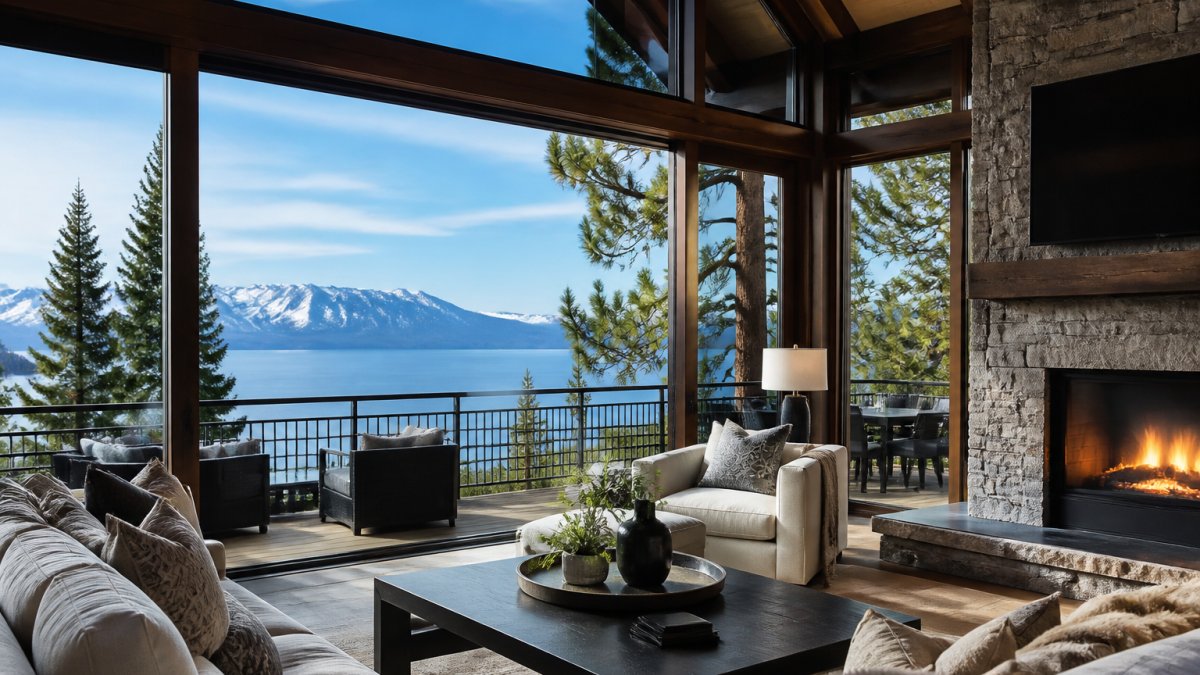
Understanding the benefits of buying a vacation home in Incline Village requires viewing it as a financial decision, not just a lifestyle upgrade. The community sits at 6,200 feet on Lake Tahoe's north shore, attracting year-round visitors and creating a strong secondary market.
The primary financial argument centers on rental income. Many owners generate substantial returns renting during peak seasons, winter ski months and summer lake season. A well-positioned property can offset carrying costs and build equity simultaneously, transforming a consumption expense into an investment vehicle.
Property appreciation in Incline Village has historically outpaced inflation. Limited buildable land, environmental protections, and consistent demand favor long-term value growth; properties held five to ten years typically appreciate meaningfully.
Tax considerations also favor vacation home ownership when structured properly. Mortgage interest, property tax, and rental expense deductions can substantially reduce your tax burden, though specifics depend on your income and use of the property, factors worth discussing with a tax professional.
Understanding Incline Village Second Home Costs
The true cost of owning a vacation home extends far beyond the purchase price, and understanding the complete financial picture prevents costly surprises.
Property taxes in Incline Village are moderate compared to many U.S. markets but still significant. Assessments can increase over time, so budget conservatively.
Homeowners insurance for vacation properties typically costs more than primary residence coverage, since insurers view vacant properties as higher risk. Obtain quotes from multiple carriers before finalizing your offer.
Maintenance and repair costs deserve particular attention. Seasonal properties face freeze-thaw cycles and winter snow loads that accelerate wear on roofing, plumbing, and exteriors.
Utilities for a vacant property still accumulate. Heating must run during winter to prevent pipe freezing, and water and standby electrical costs continue year-round.
Homeowners association fees, if applicable, represent another fixed cost. Incline Village properties often include HOA membership. These fees fund common area maintenance, road upkeep, and sometimes recreational facilities.
| Cost Category | Typical Annual Range | Notes |
|---|---|---|
| Property Tax | $6,000-$15,000 | Based on 0.6% of assessed value |
| Homeowners Insurance | $1,500-$3,500 | Higher for vacant/seasonal properties |
| Maintenance & Repairs | $15,000-$30,000 | 1-2% of property value |
| Utilities | $2,400-$4,800 | Year-round costs even when vacant |
| HOA Fees | $1,200-$4,000 | If property includes HOA membership |
| Property Management | $6,000-$12,000 | If using rental management service |
Incline Village Vacation Home Pros and Cons
Vacation home ownership delivers genuine benefits alongside meaningful drawbacks. Honest evaluation of both prevents buyer regret.
Advantages:
Personal use flexibility stands first among benefits. You control when the property is available, unlike hotel bookings, and holiday weeks and summer vacations unfold in a home you own.
Rental income provides the second major advantage. Properties in Incline Village command premium nightly rates during ski season (December through March) and summer months (June through August).
Forced savings discipline improves financial health. Mortgage payments, property taxes, and maintenance costs create a structured savings mechanism that many owners find accelerates wealth building compared to discretionary spending.
Property appreciation builds long-term wealth. Incline Village's limited inventory, environmental restrictions, and consistent demand support gradual value increases; properties purchased at market peaks typically recover within 5-7 years.
Disadvantages:
Capital requirements create the first significant barrier. Down payments typically range from 20-30% of purchase price, plus closing costs. This capital sits in real estate rather than liquid investments, reducing financial flexibility.
Vacancy risk threatens rental income projections. Economic downturns, poor seasons, or management failures can reduce occupancy below expectations, and an empty property generates zero income while costs accumulate.
Management complexity increases with distance. If you live outside the area, overseeing maintenance, repairs, and guest interactions requires either a professional property manager or substantial personal time, which can reduce net returns.
Illiquidity presents another challenge. Real estate sells slowly compared to stocks or bonds, and quick liquidation may force below-market offers. Selling typically requires 60-90 days minimum in normal markets, longer during downturns.
Regulatory complexity around vacation rentals continues expanding.
Incline Village Vacation Rental Rules: What You Need to Know
Operating a vacation rental in Incline Village requires navigating several regulatory layers. Failure to comply creates liability and potential loss of rental income.
Placer County, which includes Incline Village, requires vacation rental permits for properties renting fewer than 30 days. The application involves property information, proof of ownership, and sometimes neighborhood approval, and permits are not guaranteed.
The Incline Village General Improvement District (IVGID) maintains additional regulations separate from county rules. IVGID enforces occupancy limits, parking requirements, and noise ordinances. Properties must comply with both county and district standards. Violations can result in permit revocation, fines, or forced cessation of rental operations.
Homeowners association rules frequently restrict vacation rentals. Many Incline Village properties sit within HOAs that limit rental frequency, require owner occupancy periods, or ban short-term rentals entirely. Review your property's CC&Rs before assuming rental income potential.
Insurance requirements shift when you rent your property. Standard homeowners insurance excludes rental income coverage, so you'll need a vacation rental endorsement or a dedicated policy. This is non-negotiable for legal operation.
Liability exposure increases substantially with rental activity, since injured guests can pursue legal claims. Proper insurance and clear rental agreements protect against catastrophic loss, and many owners add umbrella liability coverage.
Tax reporting obligations require meticulous record-keeping. Rental income must be reported on your federal return, while deductible expenses include mortgage interest, property taxes, insurance, utilities, maintenance, repairs, and management fees. Keep detailed records and work with a tax professional familiar with rental properties.
Incline Village Second-Home Taxes and Financial Obligations
Tax treatment of vacation homes differs significantly from primary residences, creating both obligations and opportunities.
The mortgage interest deduction remains available for vacation homes under current federal tax law (Real estate (taxes, mortgage interest, points, other property expenses) 5). You can deduct interest on up to $750,000 of mortgage debt on a primary residence and one additional property (including vacation homes).
Property tax deductions apply to vacation homes in Nevada, which has no state income tax. Your federal return allows deduction of up to $10,000 annually in combined state and local property taxes (SALT deduction cap).
Rental income triggers self-employment tax obligations. Vacation rental income often qualifies as self-employment income subject to income tax and 15.3% self-employment tax, depending on whether you materially participate. Hiring a property manager typically results in passive income classification, reducing self-employment tax but increasing costs.
Depreciation deductions provide substantial tax benefits. The building structure (but not land) depreciates over 27.5 years for residential rental property. A building generates annual depreciation deductions, reducing taxable income even when the property appreciates in value. This "phantom deduction" creates tax benefits exceeding actual cash outflows.
Capital gains taxes apply when you sell. If you purchase and sell a property, the gain faces long-term capital gains tax (federal rate depending on income, plus Nevada state taxes if applicable, though Nevada has no state income tax).
Depreciation recapture taxes create a surprise for many sellers. The depreciation deductions you claimed reduce your cost basis. When you sell, that depreciation must be "recaptured" and taxed at 25% federal rate.
Lifestyle and Personal Benefits of Owning a Vacation Home
Beyond financial considerations, vacation home ownership delivers lifestyle benefits that justify the investment for many families.

Predictable vacation scheduling becomes possible when you own. Rather than coordinating travel logistics and booking accommodations months in advance, you simply arrive. Children develop familiarity with a consistent location, building memories across multiple seasons.
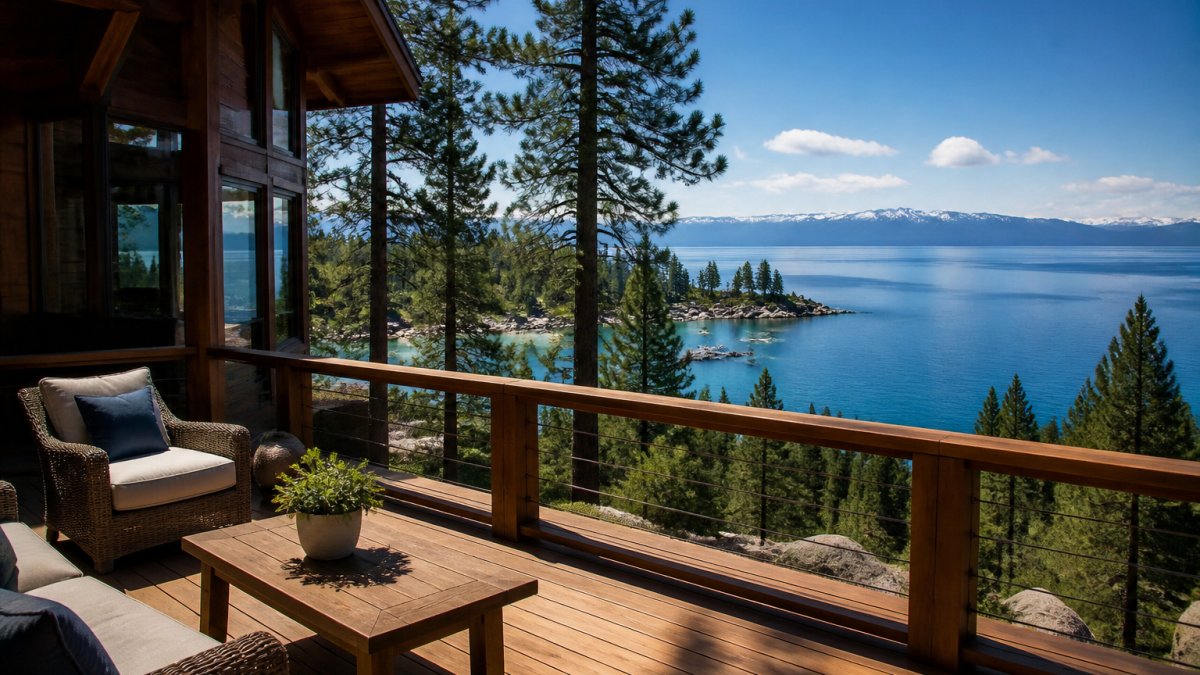
Year-round access to mountain recreation defines the lifestyle appeal: winter skiing and snowboarding, spring hiking and wildflowers, summer lake access and mountain biking, and fall hikes through changing aspens. Owning a home eliminates the vacation rental roulette of hoping your preferred dates remain available.
Community connection deepens over time. Seasonal residents who return repeatedly develop relationships with neighbors, local business owners, and service providers, and children attend the same summer camps. This sense of belonging transcends typical vacation experiences.
Extended family gatherings become more feasible. A vacation home provides space for multi-generational trips, and the cost per person drops substantially when accommodating eight people in a home you own versus booking multiple hotel rooms.
Stress reduction accompanies having a dedicated retreat space. Knowing you have a mountain sanctuary available year-round provides genuine value, whether you visit monthly or quarterly.
Is a Vacation Home in Incline Village Right for You?
Determining whether vacation home ownership aligns with your circumstances requires honest self-assessment across financial, practical, and personal dimensions.
Financial readiness comes first. You should have sufficient liquid assets to cover the down payment (20-30% of purchase price) plus closing costs (2-5%) without straining emergency reserves. Your income should comfortably cover annual carrying costs, property taxes, insurance, utilities, HOA fees, and maintenance, even if rental income disappoints.
Usage frequency matters significantly. Properties you visit fewer than 10-15 days annually often underperform financially because personal use conflicts with peak rental seasons. If you realistically expect to use the property only occasionally, the financial case depends entirely on strong rental income. Properties you'll use frequently (monthly or more) provide lifestyle benefits justifying costs even with modest rental income.
Distance tolerance determines management burden. Properties within a 2-3 hour drive allow owner-managed maintenance, while properties requiring flights typically necessitate professional property managers, reducing net returns by 25-35%.
Risk tolerance affects decision-making. Vacation home investments involve market, operational, and regulatory risk. If you need guaranteed returns or cannot afford a 20-30% property value decline without financial stress, vacation home ownership may not suit you.
At Coombes Group, we help families in the Reno/Tahoe region evaluate these factors thoroughly. Our local market expertise clarifies realistic costs and returns for specific properties, and we can show you comparable properties, rental income patterns, and neighborhood trends that inform your decision.
The benefits of buying a vacation home in Incline Village include genuine financial returns, personal enjoyment, potential rental income, and long-term wealth building, but the decision requires honest financial assessment and realistic expectations. Whether you're seeking a family retreat, an investment property, or both, consulting with local real estate advisors ensures you make decisions based on accurate market data and personalized financial analysis.
Frequently Asked Questions
What are the main benefits of buying a vacation home in Incline Village?
A vacation home in Incline Village offers year-round access to premium outdoor recreation, potential rental income, forced savings through property ownership, and a personal retreat for family and friends. The location's strong real estate market provides appreciation potential, while the community's amenities and proximity to Lake Tahoe add lifestyle value beyond financial returns.
What does it cost to own a second home in Incline Village?
Incline Village second home costs include the property purchase price, property taxes, homeowners association fees, insurance, maintenance, and utilities. Property taxes in Nevada are relatively competitive, but HOA fees in Incline Village can be significant due to community amenities. Total annual ownership costs depend on the home's condition and specific location within the community.
Can you rent out a vacation home in Incline Village?
Yes, vacation rental rules in Incline Village permit short-term rentals, but regulations vary by neighborhood and HOA restrictions. Some properties are zoned for vacation rentals, while others may have limitations on rental frequency or duration. Many owners generate income through platforms like Airbnb or VRBO, though you should verify specific restrictions with local authorities and your HOA before purchasing.
What taxes should I expect on a second home in Incline Village?
Incline Village second-home taxes include Nevada property taxes, which are generally lower than California rates. You'll also owe federal income taxes on rental income if you lease the property. Consult a tax professional about deductions for mortgage interest, property taxes, and maintenance expenses. Capital gains taxes apply when you sell, though primary residence exemptions may not apply to vacation homes.